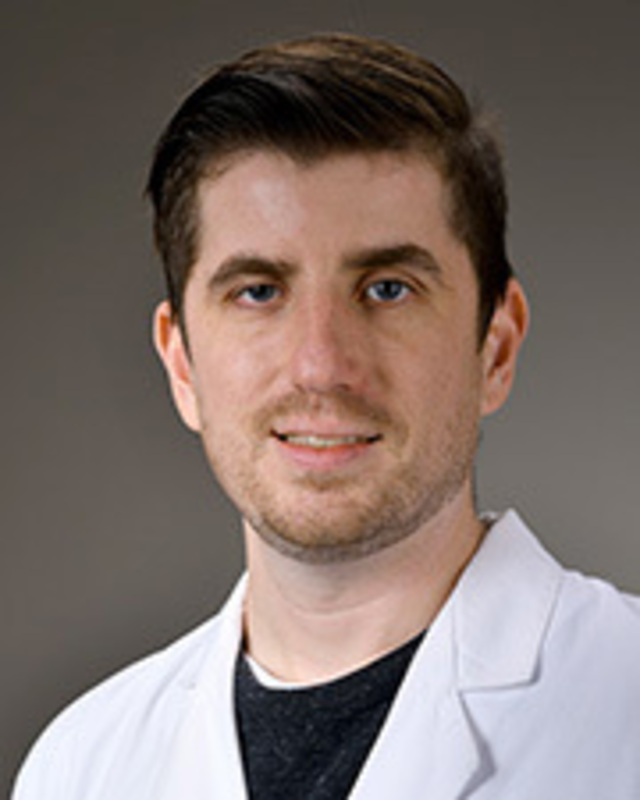
David Hunter

David Hunter

Clinical Core

The University of Texas Health Science Center at Houston

Personal Statement

I am an Associate Professor of Neurology at UTHealth Houston and I have dedicated my career to integrating high-level clinical care with the rigorous demands of neurodegenerative research. At the Neurocognitive Disorders Center, where I oversee day-to-day operations and supervise our clinical team, we prioritize a patient-first approach. My extensive experience with anti-amyloid antibodies, dating back to early solanezumab trials and continuing through the landmark Kisunla studies, has established me as a leader in prescribing and managing these disease-modifying therapies. With nearly 200 patients currently receiving advanced treatments like Leqembi and Kisunla under my supervision, I am uniquely positioned to bring this significant clinical population into our proposed ADRC cohort.

Beyond clinical practice, my professional passion lies in medical education and mentorship. As a core interviewer and highly active faculty member for our neurology residency program, I provide continuous mentorship, lectures, and clinical training to residents, fellows, and medical students. I also prioritize community outreach, delivering seminars to both healthcare professionals and the public. I view the ADRC as a vital platform to expand these educational initiatives and foster the next generation of specialists in Alzheimer’s Disease and Related Dementias.

My research expertise is grounded in the operational excellence of clinical trials. Having served as a sub-investigator for over 40 trials and site PI for four, I possess formal training in trial design, safety oversight, and regulatory compliance across Alzheimer’s, Parkinson’s, and Huntington’s diseases. I have specialized technical experience in intrathecal delivery methods and have been instrumental in shepherding trial approvals across the neurology department. Within the Houston ADRC, I collaborate with partner sites to harmonize clinical, educational, and research operations, ensuring seamless and productive cross‑institutional collaboration.

Biography

Dr. David Hunter is an Associate Professor of Neurology at UTHealth Houston and a key leader in the clinical management of neurodegenerative disorders. He completed his medical training at UTHealth Houston, earning his Doctor of Medicine followed by a residency in neurology and a specialized Behavioral Neurology Fellowship. As a cornerstone of the Neurocognitive Disorders Center, Dr. Hunter oversees the day-to-day operations of one of the region's most active dementia clinics, where he supervises a multidisciplinary team and manages the care of nearly 200 patients receiving cutting-edge anti-amyloid therapies.

A veteran of the clinical trial landscape, Dr. Hunter was selected for the prestigious IMPACT-AD program and has served as a sub-investigator for over 40 clinical trials and as site Principal Investigator for four. His expertise spans the design and safety oversight of trials for Alzheimer’s, Parkinson’s, Huntington’s, and Frontotemporal Dementia. He is particularly recognized for his technical proficiency in intrathecal infusion and his long-standing experience with disease-modifying therapies, having worked with anti-amyloid antibodies since their early experimental stages.

Education is a central pillar of Dr. Hunter’s career. He serves as a core interviewer for the UTHealth Houston neurology residency program and is a dedicated mentor to residents, behavioral neurology fellows, and medical students. His commitment to the field extends to the community, where he frequently delivers lectures to both medical professionals and the public to advance the understanding of ADRD treatments.

Dr. Hunter is a Co-Investigator in the HADRC and uses his operational and clinical expertise to harmonize clinical, educational, and research activities across the center’s member institutions. His role is critical in ensuring that the center’s vast patient population is effectively integrated into the research cohort while maintaining the highest standards of clinical safety and regulatory compliance.